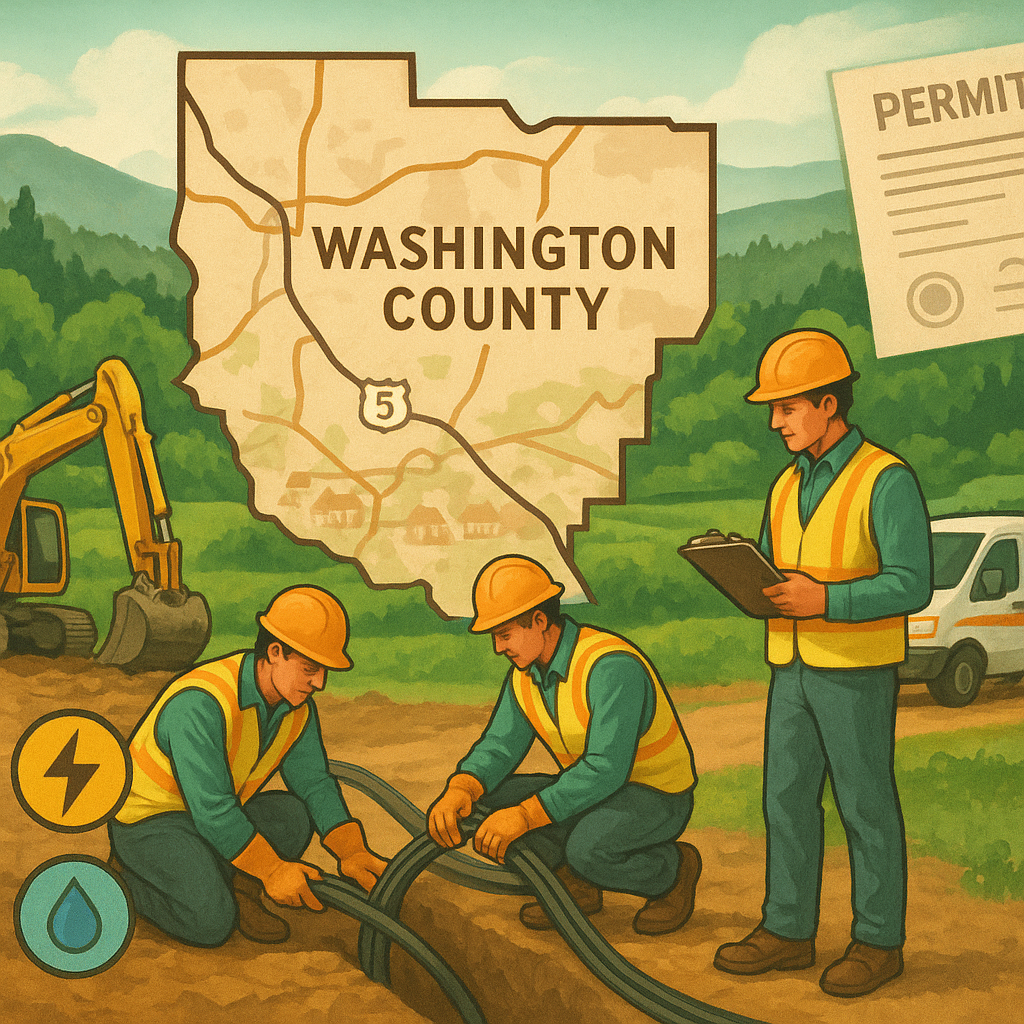
Have you ever wondered what keeps our roads, sidewalks, and landscapes looking tidy after a utility company digs everything up? It’s not magic. In Washington County, Oregon, it’s often a specific financial guarantee called a Continuous Maintenance and Restoration Bond for Utility Installation Permits. If you’re a contractor or a utility company planning to work in the public right-of-way, this little piece of paper can make or break your project. Let’s unravel what it is, why it matters, and how you can navigate the process without pulling your hair out.
What Exactly Is This Bond, and Why Does Washington County Require It?
Imagine you’re allowed to dig up a section of a public street to lay new fiber optic cables. Naturally, you’ll patch the asphalt when you’re done. But what happens if that patch sinks six months later, creating a pothole? The county and taxpayers shouldn’t have to foot the bill. That’s where the bond steps in.
A Continuous Maintenance and Restoration Bond is a three-party agreement between the contractor (you), Washington County (the obligee), and a surety company. It guarantees that you’ll not only restore the right-of-way properly after installation but also maintain that restoration for a specified period. If you fail to do so, the county can file a claim against the bond to cover repair costs. The “continuous” part means the bond stays in effect year after year, covering all your permits under a single umbrella, as long as you keep it active.
Breaking Down the Jargon: Restoration vs. Maintenance
These two words can get tangled. Let’s keep it simple.
Restoration is the immediate work. It’s the backfilling, compacting, repaving, and re-sodding you do right after installing a utility line. Think of it as the “make it look like we were never here” phase. Maintenance, on the other hand, is the long game. It covers that same patch for months or years afterward. If the soil settles, the asphalt cracks, or the grass dies, you’re responsible for fixing it. The bond ensures you honor both commitments.
Who Needs This Bond in Washington County?
Not every job requires this bond, but if you regularly work in the public right-of-way, you’ll likely bump into it. Typical candidates include:
- Telecommunication companies installing fiber or cable lines.
- Plumbing and utility contractors tapping into water or sewer mains.
- Electrical contractors burying power lines.
- Gas companies performing pipeline work.
- Any subcontractor hired by the entities above.
If your work involves cutting into a street, sidewalk, curb, or public utility easement, the county’s engineering or public works department will almost certainly ask for this bond before issuing your permit.
How Does the Bond Work in Real Life?
Let’s walk through a common scenario. You’re installing a new water line for a housing development. You obtain the necessary right-of-way permit from Washington County, and as part of that, you provide a $25,000 Continuous Maintenance and Restoration Bond. You finish the job, repave the trench, and all looks good. Six months later, a heavy rainstorm causes the trench to settle, leaving a depression that collects water. The county inspector notices it and sends you a notice to repair. You ignore it—maybe you’re too busy. The county can then hire another contractor to fix it and file a claim against your bond to recover the cost, up to the bond’s full penalty amount.
Importantly, a bond is not insurance for you. The surety company will pay the county, but then they’ll come to you for reimbursement. You’re ultimately on the hook for every penny.
The Smart Contractor’s Guide to Securing the Bond
Obtaining this bond is generally straightforward, but a little prep work goes a long way. You’ll approach a surety bond agency (many operate online). They’ll ask about your business finances, credit history, and experience. For established contractors with good credit, the bond premium might be as low as 1–3% of the total bond amount annually. For newer businesses or those with rocky credit, the rate may be higher, but it’s still a manageable cost of doing business.
Pro tip: Ask the county exactly what bond amount they require. It could be a flat sum, like $10,000, or a figure based on the linear feet of trenching you expect to do in a year. Getting it right the first time saves headaches.
What Happens If You Don’t Comply?
Skipping the bond isn’t an option if the county demands it—your permit simply won’t be issued. Working without a permit can lead to stop-work orders, fines, and a seriously damaged reputation with the local government. On the flip side, maintaining an active bond and fulfilling your restoration and maintenance duties builds trust. You become the contractor the county knows will clean up after themselves. That can lead to smoother permitting down the road.
Key Benefits for the Community—and for You
This bond isn’t just bureaucratic red tape. It protects the very streets you drive on, the sidewalks your kids use, and the public utilities everyone relies on. For the contractor, it’s a stamp of credibility. It tells Washington County, “We stand behind our work for the long haul.” It can also help smaller contractors compete with larger firms, because bonding levels the playing field by guaranteeing performance without requiring a massive cash deposit.
Common Questions We Hear—Answered Plainly
Is this the same as a permit bond or a street obstruction bond?
Almost, but not quite. A general right-of-way permit bond might just cover the permit fees and baseline restoration. The “continuous maintenance and restoration” bond specifically extends that coverage into the maintenance period. Always double-check the exact name the county uses on their application. Clarity here prevents you from buying the wrong bond.
How long does the maintenance period last?
This varies by project and county standards. It could be one year, two years, or even longer for major arterial roads. Washington County will specify the length in the permit conditions. Your bond needs to remain in force throughout that entire period, plus any additional time the county requires to release the obligation.
Can I use a cash deposit instead of a bond?
Some jurisdictions allow a cash escrow or irrevocable letter of credit in lieu of a bond. However, a bond keeps your working capital free. Tying up $25,000 in cash for a year might strain your business, whereas a bond costs only a few hundred dollars annually. It’s a classic case of using leverage wisely.
What if I only do one small job a year?
Even a single project in the right-of-way typically triggers the bond requirement. The good news is the continuous bond can cover that one job and any unplanned work that pops up later. You won’t need to scramble for a new bond each time, as long as the original bond amount is sufficient.
Practical Tips to Keep Your Bond in Good Standing
Avoiding claims is the name of the game. Here are a few habits that can save you stress and money:
- Document everything. Take dated photos before, during, and after restoration. Store them securely. They’re your best evidence if a dispute arises.
- Schedule a post-job inspection with the county. Walk the site together. Sign off on the restoration while it’s fresh. This reduces the chance of later surprises.
- Set calendar reminders for maintenance checkups. Wait four months, then drive by your trench. Look for settling, cracking, or erosion. Fix minor issues before they become claims.
- Communicate with the county right away if something goes wrong. Proactive honesty often earns you goodwill and an extension to make repairs without a formal claim.
- Renew your bond on time. A lapsed bond can invalidate all your open permits. That’s a nightmare nobody wants.
Sealing the Deal: Your Next Steps
If you’re eyeing a project in Washington County, start by visiting the county’s Public Works or Engineering Department website. Download the permit application and note the exact bond form they require. Then, reach out to a surety bond professional. You’ll likely need your business license, a brief scope of work, and the bond amount. In many cases, you can have the bond in hand the same day if your paperwork is clean.
Remember, this bond isn’t a hurdle—it’s a partnership tool. It aligns your business incentives with the public good. You get to do meaningful work that keeps communities connected and thriving. The county gets assurance that their infrastructure won’t suffer from shoddy or neglected repairs.
Wrapping It Up with a Real-World Metaphor
Think of the Continuous Maintenance and Restoration Bond like a library card for the public right-of-way. The library trusts you to borrow books and return them in good shape. If you lose a book, you’re on the hook for the replacement. Similarly, Washington County hands you the “keys” to their streets, trusting you’ll leave everything just as you found it. The bond is simply the promise that you will, with a financial backup in case you don’t.
So, the next time you see a freshly patched road, know there’s a system quietly working behind the scenes—keeping contractors accountable and communities safe. And if you’re the one doing the patching, now you know exactly how to play your part.