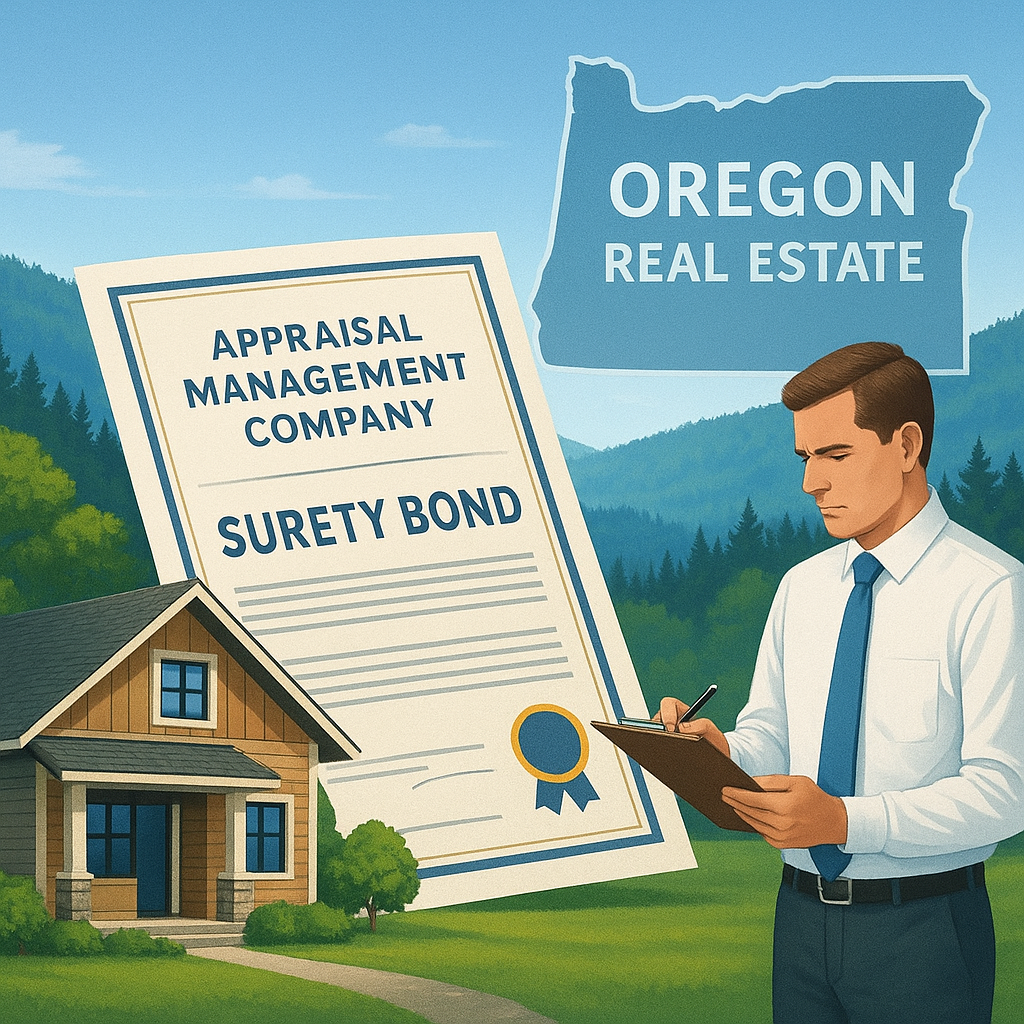
Have you ever wondered what keeps the real estate appraisal process fair and accountable? Whether you’re buying your first home, refinancing a mortgage, or just curious about the behind-the-scenes world of property valuation, there’s a quiet safety net built into the system. In Oregon, that safety net often comes in the form of a surety bond—specifically, the Oregon Appraisal Management Company Surety Bond. It might sound like a mouthful, but don’t worry. By the time you finish reading this, you’ll understand exactly what it is, why it matters, and how it protects everyday people like you.
What Exactly Is an Appraisal Management Company?
Before we dive into the bond itself, let’s take a quick step back. When a lender needs a property appraised, they rarely call up an appraiser directly. Instead, they go through an Appraisal Management Company, or AMC. Think of an AMC as a matchmaker that connects lenders with independent, qualified appraisers. The AMC handles the administrative side—assigning orders, reviewing reports, ensuring compliance—so that the lender stays at arm’s length from the valuation. This separation helps cut down on any pressure to inflate home values, which we all remember was a big concern during the housing crisis years ago.
The Role of the Oregon Appraisal Management Company Surety Bond
So where does the bond come in? In simple terms, a surety bond is a promise. When an AMC registers in Oregon, state law requires them to post a surety bond as part of their licensing. This bond acts as a financial guarantee that the AMC will play by the rules. If the company fails to pay its appraisers, mishandles consumer data, or violates any part of the Oregon Revised Statutes governing AMCs, the bond is there to make things right. It’s not insurance for the AMC—it’s protection for the public and for the hardworking appraisers who depend on timely, honest pay.
Why Does Oregon Require This Bond?
You might be thinking, “Can’t the state just fine them if they break the law?” They can, but a bond adds an extra layer of immediate security. Imagine a scenario where an AMC goes out of business overnight, still owing thousands of dollars to several appraisers. Without a bond, those appraisers might have to get in a long legal line with other creditors, hoping to recover something. With the bond in place, a claim can be filed directly against the bond, and the surety company steps in to pay valid claims up to the bond amount. It’s a bit like having a rainy-day fund managed by a neutral third party, ready to cover damages caused by the AMC’s missteps.
Who Needs an Oregon AMC Surety Bond?
Not every real estate professional in Oregon needs this particular bond, but if you’re an appraisal management company looking to operate in the state, it’s non-negotiable. The Oregon Real Estate Agency mandates that all AMCs be registered and maintain a surety bond in good standing. This applies to companies based in Oregon as well as out-of-state AMCs that want to service Oregon loans. If you’re an independent appraiser, you don’t need this bond—but you can rest a little easier knowing the AMCs you work with are bonded.
What About Real Estate Inspectors?
You may have noticed mentioned of real estate inspector bonds floating around. While home inspectors in Oregon have their own set of licensing and bonding requirements, those are separate from the AMC bond. It’s easy to mix them up because both fields deal with property. Just remember: an AMC bond is specific to companies that manage appraisal services for lenders. If you’re an inspector, your bond will fall under a different regulation. Always check with the Oregon Construction Contractors Board or the Oregon Real Estate Agency for your particular profession.
How Much Does the Bond Cost and What Is the Bond Amount?
Now for the numbers. The required bond amount for an Oregon Appraisal Management Company is $25,000. That’s the maximum coverage available if a claim is filed. But here’s a common misconception: the bond amount is not what you pay. You pay a premium, which is a small percentage of that total. Depending on your credit score, business history, and financial stability, the premium usually ranges from 1% to 5% of the bond amount. That means an AMC with good credit might pay as little as $250 to $1,250 per year. Yes, you read that right—a few hundred dollars helps guarantee $25,000 in protection. It’s one of the more affordable parts of running a compliant business.
What Factors Influence Your Bond Premium?
- Personal Credit Score: Strong credit often leads to the lowest rates. If your score is below a certain threshold, the premium could be higher, but you can still get bonded.
- Business Financials: A well-established AMC with healthy cash flow looks less risky to a surety company, which can lower your premium.
- Industry Experience: Longevity in the appraisal management field and a clean track record go a long way in securing better pricing.
- Claims History: If you’ve never had a bond claim filed against you, you’re a safer bet. Past claims can raise your premium.
How to Obtain Your Oregon AMC Surety Bond
Getting bonded doesn’t have to be a headache. In fact, the process has become quite streamlined. Most AMCs work with a specialty surety bond agency that understands Oregon’s specific requirements. Here’s a typical step-by-step flow:
- Complete a short application: You’ll provide basic business information and the bond amount needed (the state sets it at $25,000).
- Undergo a quick underwriting review: The surety company will check your credit and may ask for a few financial documents.
- Receive a premium quote: Once approved, you’ll get a rate based on your risk profile. Compare this with a couple of providers if you like, but most agencies offer competitive pricing.
- Pay the premium and sign the bond form: After payment, the surety issues the official bond form. You’ll sign it as the principal, along with the surety company’s signature and seal.
- File it with the Oregon Real Estate Agency: Keep a copy for your records, but make sure the original or a certified electronic copy reaches the state. It’s a required part of your license application or renewal.
Maintaining Your Bond and Staying Compliant
Once your bond is in place, the story isn’t over. The bond needs to be renewed annually, typically before the expiration date listed on the form. If your bond lapses, your AMC registration can be suspended or revoked, and you won’t be able to legally operate. That could throw a serious wrench into your business relationships. Lenders won’t send you orders if you’re not active with the state, and appraisers may hesitate to work with a company that isn’t properly bonded. Think of it like renewing your driver’s license—you might not notice it day to day, but without it, everything grinds to a halt.
What Happens if a Claim Is Filed Against Your Bond?
Nobody plans for a claim, but it’s smart to understand the process. If an appraiser or consumer believes the AMC has violated state law—say by failing to pay for completed appraisals or misusing confidential data—they can file a claim with the surety company. The surety will investigate. If the claim is found to be valid and within the bond’s coverage, the surety pays the harmed party. But here’s the thing: the AMC is ultimately responsible. The surety will then seek reimbursement from the AMC for every penny paid out, plus any legal fees. So while the bond protects the public, it doesn’t let the bonded company off the hook. It’s more like a guaranteed loan the AMC must repay.
Common Questions People Ask About AMC Bonds
I get it—bonds can seem mysterious. Let me address a few questions that pop up again and again:
Is this the same as errors and omissions (E&O) insurance? No. E&O insurance protects the AMC against mistakes its own appraisers make during valuation. The surety bond is a state-required guarantee of ethical business conduct and financial obligations. They serve different purposes, and most AMCs carry both.
Can I use a bond from another state? Not unless it specifically covers Oregon and matches the exact statutory requirements. Oregon’s bond form is tailored to its own laws. You’ll likely need a separate Oregon bond even if you already have one in Washington or California.
Does a higher bond amount give me a competitive advantage? The state sets a fixed minimum amount—$25,000—so you can’t really opt for more to impress lenders. But being able to say you’re fully compliant and bonded certainly builds trust. Some AMCs might secure a larger fidelity bond privately for internal protection, but that’s unrelated to the state requirement.
How quickly can I get bonded? If your paperwork is in order and your credit is solid, you can often obtain a bond the same day you apply. The Oregon Appraisal Management Company Surety Bond is designed to be accessible, not a barrier.
The Bigger Picture: Trust and Transparency in Oregon Real Estate
At its heart, this bond requirement is about protection. It protects appraisers from wage theft. It shields lenders from shoddy business practices. It gives homeowners confidence that the valuation of the roof over their head wasn’t influenced by cut corners or shady deals. Oregon has long been proactive in regulating the lending and real estate industries, and the AMC surety bond is just one piece of that puzzle. When everyone follows the rules, the whole system runs more smoothly—and that benefits all of us, whether we’re actively buying a house or just enjoying a stable housing market.
Final Thoughts on Oregon AMC Bonds
Understanding the Oregon Appraisal Management Company Surety Bond Requirements doesn’t require a law degree. It boils down to a simple idea: the state wants to make sure AMCs are financially accountable. The $25,000 bond is a manageable expense that buys peace of mind for appraisers, lenders, and the public. If you’re entering the AMC space in Oregon, securing your bond early sidesteps delays and shows you’re serious about playing by the book. And if you’re someone who just wants to know the housing market is safe, think of these bonds as invisible guardians—quietly watching over every appraisal command that flows through the system.
Got more questions? You’re always welcome to reach out to a licensed surety bond professional who can walk you through the specifics. A little knowledge today can prevent a big mess tomorrow.