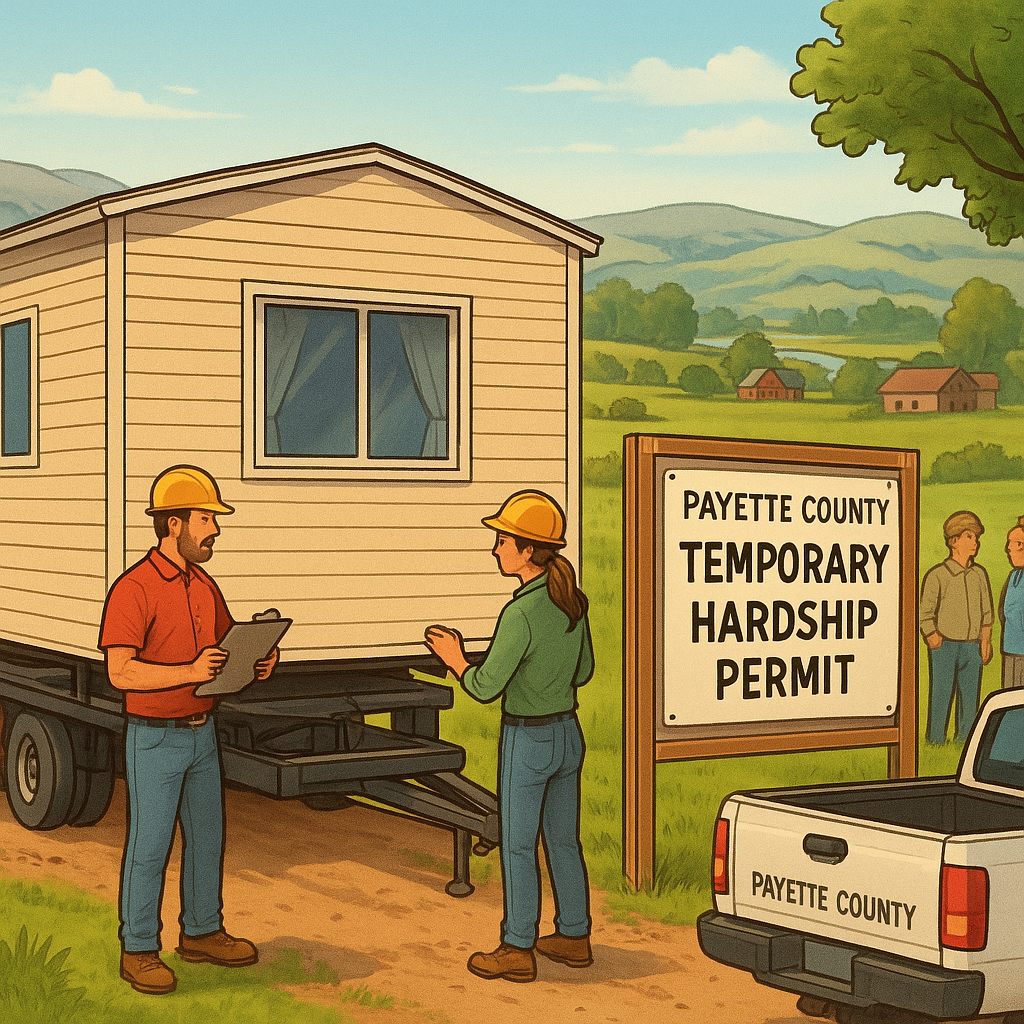
Life can throw some pretty unexpected curveballs. Maybe a sudden job loss hit, a medical emergency drained your savings, or a death in the family turned everything upside down. Suddenly, that aging mobile home sitting on your Payette County property needs to go, but the standard removal process feels financially out of reach. If that sounds familiar, you’re not alone. Payette County offers something called a Temporary Hardship Permit that might be exactly the lifeline you need. Let’s walk through what it is, why a bond is involved, and how you can navigate the process without pulling your hair out.
What Exactly Is a Temporary Hardship Permit?
Think of this permit as a kind of official timeout. Normally, when a mobile home in Payette County is old, abandoned, or simply not up to code, the county expects you to remove or demolish it and restore the land. That costs money—sometimes a lot of it. A Temporary Hardship Permit buys you extra time. It doesn’t wave a magic wand and make the rules disappear. Instead, it tells the county, “I have a genuine financial hardship right now, but I promise I’ll take care of this in the near future.” In return, you typically have to post a bond, which acts as a safety net for the county.
Why Does the County Ask for a Bond?
You might be asking, “If I’m already struggling, why do I have to put up even more money?” That’s a fair question. The Payette County Temporary Hardship Permit Bond isn’t a punishment. It works like a security deposit on an apartment. The county wants assurance that the removal or demolition will actually happen. If life gets even messier and you can’t follow through, the bond money covers the county’s costs to step in and clean up the property. Without it, taxpayers could be left holding the bag. This bond protects everyone—you, your neighbors, and the county’s budget.
Is a Bond the Same as Insurance?
Not quite, and understanding the difference can save you confusion. Insurance protects you from sudden accidents, like a tree falling on the mobile home. A surety bond, like the one tied to this hardship permit, is a three-party promise. You (the permit applicant) promise the county (the obligee) that you’ll fulfill your obligation to remove the mobile home. The bonding company backs you up financially. If you don’t do the work, the county can make a claim on the bond. You’ll then owe the bonding company every penny they pay out. It’s a guarantee, not a free pass.
Who Qualifies for This Permit in Payette County?
Not every situation qualifies. The county is really looking for those sudden, unexpected hardships that temporarily cripple your finances. Some common scenarios include:
- A primary breadwinner losing their job through no fault of their own.
- Catastrophic medical bills after a serious illness or injury.
- The death of a spouse or co-owner, leaving the survivor with little income.
- A natural disaster that damaged the home but insurance didn’t cover the full cleanup.
If you simply don’t want to spend the money, or you’ve been putting off maintenance for years, the permit likely won’t be granted. You’ll need to show documentation that proves the hardship. Pay stubs, termination letters, medical bills, and bank statements usually become your best friends during the application.
Step-by-Step: Navigating the Application Journey
Walking into a government office can feel intimidating. Breaking the process into smaller chunks makes it much easier to handle. Here’s a roadmap you can follow.
1. Gather Your Hardship Evidence
Start a folder—physical or digital—with every document that paints a picture of your financial situation. Include recent tax returns, proof of income loss, medical bills, and a simple, honest letter explaining what happened. The more organized you are, the smoother your meeting with the county will go. Don’t just say you’re struggling; show it.
2. Contact Payette County Planning or Building Department
Give the county’s planning or building department a call or stop by in person. Ask specifically about the Temporary Hardship Permit for mobile home removal. Every county has its own forms and quirks. They’ll give you the exact paperwork you need and tell you the required bond amount. That amount often depends on the estimated cost to demolish and haul away the mobile home.
3. Understand the Bond Amount and Timeline
The bond amount usually reflects what it would cost the county to hire a contractor and do the job themselves. You might see figures ranging from a couple thousand dollars to much more if the home is large or contains hazardous materials. Along with the bond, you’ll agree to a timeline—often six months to a year. Mark that deadline on your calendar and treat it like a sacred appointment.
4. Secure Your Temporary Hardship Permit Bond
Now for the part that trips people up: actually getting the bond. You don’t need to pay the full bond amount upfront like cash in an envelope. You’ll work with a surety bond agency. You pay a small percentage of the total bond amount, usually between 1% and 10%, depending on your credit and financial history. A bond for $5,000 might only cost you a few hundred dollars out of pocket. The surety company will ask questions similar to a loan application because they’re taking a risk on you.
5. Submit Everything and Wait for Approval
Turn in the completed permit application, all your hardship documentation, and proof of your surety bond. The county will review your case. If they approve, you’ll receive your Temporary Hardship Permit. If they deny it, they’ll usually explain why and give you a chance to address the issues. Don’t panic. Sometimes a missing document is all that’s holding things up.
6. Fulfill Your Promise and Close Out the Permit
Once your finances are back on track, hire a licensed contractor to remove or demolish the mobile home and restore the lot. After the work passes any final county inspection, the county releases the bond. You’re done! That liability disappears, and your property is clear. Just remember: if your permit expires before you’ve done the work, you may need to apply for an extension or face a claim on your bond.
Common Pitfalls That Can Trip You Up
Avoidable mistakes can turn a helpful program into a headache. Watch out for these traps.
- Waiting until the last minute. If you’re already facing code enforcement action, time is not your friend. Start the permit process as soon as hardship hits.
- Incomplete documentation. Missing one pay stub or medical bill summary can stall your application for weeks. Double-check everything.
- Confusing the bond with a waiver. The bond is a formality, not a dismissal of your responsibility. You still have to remove the mobile home.
- Ignoring the expiration date. If the deadline sneaks up and you’re not ready, a claim against your bond can damage your credit and leave you owing money.
- Attempting a DIY demolition without permission. Mobile homes often contain materials like asbestos that require professional handling. Cutting corners can land you in serious legal trouble.
Why This Process Actually Helps You and Your Community
It’s easy to view the bond requirement as just another hurdle. But there’s a bigger picture. Abandoned and decaying mobile homes can become safety hazards, attract pests, and lower property values for the whole neighborhood. By working through the hardship permit process, you’re protecting your own financial future while being a good steward for the community. You’re preventing a small problem today from turning into a massive, expensive nightmare tomorrow.
What If You Can’t Afford the Bond Premium?
If even the small bond premium feels impossible, don’t lose hope. Some local non-profits, churches, or community action agencies offer emergency assistance programs. It never hurts to ask. You might also approach family members who can help cover the premium in exchange for future repayment. Remember, the premium is a fraction of the bond amount. A $200 premium is far less scary than facing fines or a potential lien on your property for non-compliance.
Working With a Bond Agent Who Understands Your Situation
Not all bond agencies are created equal. Look for one that has experience with Payette County’s specific requirements. A good agent won’t just process your paperwork; they’ll explain the claim process in plain English and help you avoid surprises. If you have less-than-perfect credit, ask about options for those with financial challenges. Many sureties have programs designed exactly for situations like this.
Planning Your Exit Strategy
Getting the permit is just the first chapter. Right after approval, start mapping out how you’ll wrap things up. Get quotes from at least three licensed mobile home demolition contractors so you know your target dollar amount. Start setting aside small amounts of money every week, even if it’s just the cost of a cup of coffee. Those tiny deposits add up. When you’re ready, schedule the work well before your permit’s expiration date, leaving a cushion for bad weather or contractor delays.
Moving Forward With Confidence
Navigating a temporary hardship can be emotionally draining. The paperwork, the bond, the deadlines—it all piles up. But the Temporary Hardship Permit for mobile homes in Payette County isn’t designed to punish you. It’s a tool that says, “We see you’re going through something tough. Here’s a path forward that keeps everyone protected.” Take a deep breath, gather your documents, and reach out to the county. You might be surprised by how helpful they can be when you show you’re acting in good faith.
Have you gone through this process or are you just starting out? Chances are, others in your shoes have the same questions. Don’t be afraid to lean on local resources and ask for clarity every step of the way. With a clear plan and a little patience, you’ll move past this hurdle and reclaim peace of mind.